









Frustration over peak and off-peak mobile bundles is deepening, with subscribers questioning not just pricing, but the fairness and usability of services sold by mobile network operators.
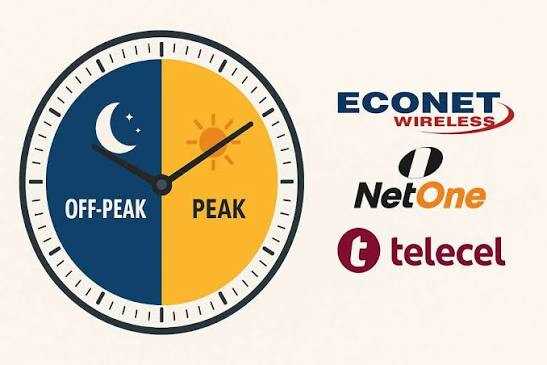
The anger has been fuelled by complaints that portions of data, airtime and SMS bundles are restricted to off-peak hours between 1am and 7am, a period many users say makes meaningful use practically impossible.
“I chose the second option and I had hardly sent 10 SMS messages when my balance went to zero,” said Kuda Moyo, who said the bundle structure was unclear and misleading.
Another subscriber, Tinashe Dube, said the design of the bundles forces frequent repurchases even when balances technically remain.
“Peak data finishes quickly, and you cannot access off-peak data during the day,” Dube said. “You are pushed to buy another bundle under the same conditions, while unused data expires.”
The issue has taken a sharper turn following reports that off-peak restrictions have been extended to voice calls and SMS, a move subscribers say crosses from network management into exploitation.
“Off-peak data, off-peak airtime and now off-peak SMS are inaccessible to about 90 percent of subscribers because we are asleep,” said Tapiwa Chikomo.
“By the end of the month, what you paid for expires unused and the company benefits.”
Critics argue that the arrangement boosts operator revenues by design, increasing purchase frequency while limiting real-time access.
Related Stories
“How can a company sell me a US$15 product knowing that roughly US$4 of it cannot realistically be used?” said Farai Nyoni, who described the practice as “daylight theft”.
Attention has also turned to the Postal and Telecommunications Regulatory Authority of Zimbabwe (POTRAZ), with subscribers questioning why products that routinely expire unused are permitted on the market.
“We need protection from POTRAZ,” said Tinashe Dube.
“There is no convenience here. This arrangement benefits mobile network operators and exploits subscribers.”
Telecommunications firms maintain that customers are not compelled to purchase peak-and-off-peak bundles, arguing that unrestricted alternatives remain available.
However, critics said that defence sidesteps the core concern whether selling largely inaccessible services should be acceptable in the first place.
“You cannot justify selling services that are only usable during sleeping hours,” said Tapiwa Chikomo.
“Most people are either asleep or preparing for work. That is not a choice it’s a trap.”
Others say the controversy is already shaping consumer behaviour.
“The only solution is to migrate to other service providers offering better and fairer services,” said Blessing Mutasa, arguing that market pressure may achieve what regulation has not.
For many users, the growing concern is no longer about affordability, but whether what they pay for can realistically be used at all.




Leave Comments